

Class 4 laser therapy systems have received significant recognition in recent times for their pioneering approach to pain relief and recovery. see this -powered devices are at the cutting edge of medical applications, providing practitioners and patients alike a minimally invasive alternative for a range of issues. As more healthcare providers adopt these technologies into their work, understanding the key aspects and advantages of Class 4 laser treatment devices becomes crucial for making informed decisions.
In this write-up, we will delve into the main elements that characterize an optimal Class IV laser treatment system, from output power and light wavelength selection to portability features and risk management options. Whether you are a healthcare professional aiming to improve treatment protocols or a patient seeking assistance from discomfort, this in-depth guide will assist you sort through the numerous choices available, making sure you find the appropriate unit for your particular preferences and circumstances.
Key Features and Power Output
When considering a fourth class laser therapy device, one must grasp the key features influencing its effectiveness and usability. A crucial aspect to consider is the device's power output, typically measured in watts. Class 4 lasers typically operate with power levels above 0.5 watts, allowing for deep tissue penetration and the ability to treat various conditions effectively. Increased power output can lead to shortened treatment times and improved patient outcomes, making it a crucial factor in device selection.
Additionally, a important feature is the adjustability of power settings. This allows clinicians to customize the energy delivered according to the patient's specific needs and the type of tissue that is treated. Adjustable settings can enhance patient comfort and provide optimal therapeutic effects. Furthermore, devices should offer a range of wavelengths, as various wavelengths penetrate tissues to varying depths, making it crucial for targeting specific conditions. Selecting the appropriate wavelength is, therefore, a vital consideration for maximizing treatment efficacy.
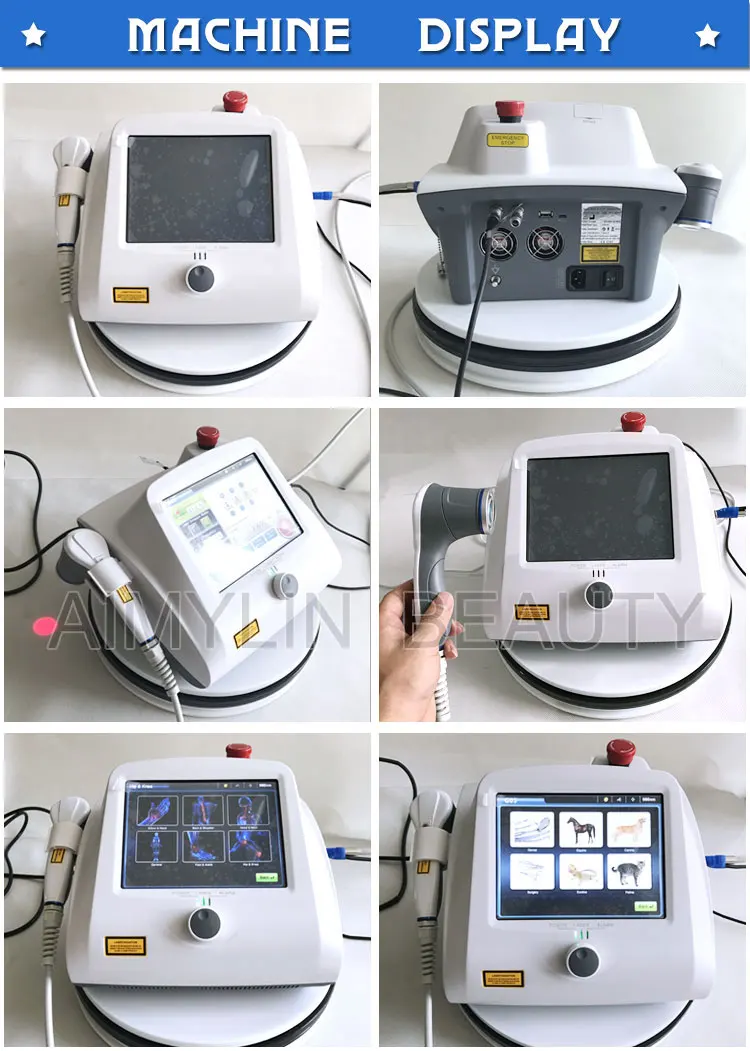
Portability is also a significant feature that varies among Class 4 laser devices. Although stationary models may be more powerful and advanced, portable options offer convenience and flexibility for clinicians that must move between treatment rooms or provide mobile therapy. The decision between portability and stationary configurations mostly depends on the clinical setting and the volume of patients treated. It is important to evaluate these features in conjunction with power output to find the best balance that meets therapeutic goals.
#### Choosing the Right Wavelengths as well as Method
Selecting the appropriate wavelength is vital for the effectiveness of Class IV laser treatment. Different ranges of wavelengths penetrate bodily tissues at varying levels, influencing the treatment outcomes across particular ailments. For instance , ranges between 800-980 nanometers are typically employed to target more profound tissues such as muscle tissue along with joints , but shorter wavelengths in lower ranges are most effective for treating surface issues . Comprehending the purpose along with the kind of tissue being treated will guide users in choosing the most appropriate range of wavelengths for optimal results .
Alongside the wavelength, the mode of operation —either pulsed mode or continuous wave — is crucial in therapy effectiveness . Continuous wave modes delivers constant delivery of therapeutic energy, which can lead to rapid pain alleviation as well as inflammation reduction . On the other hand, pulsed modes allow for deeper absorption by tissues with less surface heating , thus helping in treating larger injuries or chronic conditions . The choice between these modes needs to consider the needs of the patient as well as the treatment objectives, ensuring a customized method towards therapy .
Ultimately the integration of suitable wavelength along with operational mode may improve treatment effectiveness along with patient comfort. Healthcare providers need to assess their patients' conditions , the expected therapeutic outcomes , and the features of their Class 4 laser devices . By considering these factors, they can create a comprehensive plan to maximize healing , improves patient satisfaction , along with promotes a quicker recovery process .
### Safety, Compliance, and Assistance
When acquiring a Class 4 laser therapy unit, safety and compliance are paramount. These machines need FDA certification, which guarantees they conform to rigorous safety and effectiveness standards. Check for https://posteezy.com/methods-choose-appropriate-class-4-laser-therapy-device-suits-your-facility like automatic shut-off systems, ocular protection, and warning signs to avoid misuse and mishaps. By choosing a compliant device, users can have peace of mind knowing that the equipment adheres to the required regulations, reducing the risk of injury.
Assistance from the manufacturer is vital for enduring success with Class 4 laser devices. Look for companies that offer comprehensive training and certification programs for users, confirming they comprehend the proper functionalities and safety measures. Further, consistent customer assistance is crucial. Companies that offer continual support, problem-solving, and resources can boost user confidence and lead to improved treatment results.
Lastly, warranty and maintenance offerings should also be a key consideration. A robust warranty reflects a manufacturer’s commitment to their product’s quality and enhances customer satisfaction. Additionally, machines that provide maintenance services can ensure durability and top performance, vital for practitioners who depend on these devices for efficient therapy.