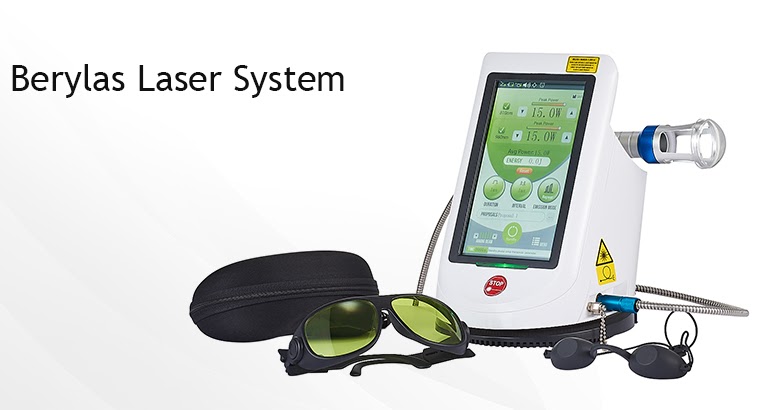
Recently, 4-class laser therapy has surfaced as a revolutionary approach for multiple ailments, gaining recognition in both veterinary practices. These advanced lasers are designed to penetrate deep into tissues, enhancing healing and delivering effective pain relief. As medical professionals and clinics adopt this technology, actual patient success stories highlight the profound impact of Class 4 lasers, demonstrating their ability to shorten recovery durations and improve quality of life.
Understanding the nuances of Class 4 laser therapy devices is vital for practitioners looking to invest in this technology. Looking at power output to wavelength choices, and ranging from portability to safety features, the suitable device can make a substantial difference in treatment outcomes. As we explore the critical features to look for in a Class 4 laser therapy device, we will also investigate how different specifications align with successful patient results, guaranteeing practitioners are fully prepared to make educated decisions in their quest for the most effective treatment solutions.
Essential Features of Class 4 Laser Therapy Devices
When considering Class 4 laser therapy devices, one of the crucial features to evaluate is the power output. Class 4 lasers typically operate at much higher power levels than their Class 3 counterparts, which enables deeper tissue penetration and more efficient treatment of a broad spectrum of conditions. Understanding the specific power output of a device is essential, as higher wattage does not always translate into superior results. Patients often gain advantages from rapid treatment times and increased efficacy associated with higher power settings, making this a significant consideration in deciding on the right device for clinical or personal use.
Another key element is the wavelength of the laser. Different wavelengths address various tissue categories and conditions, influencing the overall efficacy of treatment. For illustration, lower wavelengths can be more suitable for superficial issues, whereas higher wavelengths move deeper, making them ideal for muscle or joint therapies. Selecting a laser that offers the appropriate wavelength for your specific treatment goals is vital to achieving maximum results for pain management and healing.
Lastly, portability and ease of use should not be neglected when selecting a Class 4 laser therapy device. Some clinicians may favor stationary units for their clinics, while others might need portable devices for home use or remote applications. Design and ease-of-use features enhance the treatment experience for both practitioners and patients. A device with adjustable settings, friendly interfaces, and comfortable handpieces can greatly improve treatment outcomes and overall satisfaction.
Determining the Best Lazer: Strength, Wavelength, and Transportability
When picking a 4th Class laser therapy machine, understanding output ratings is crucial. Higher power ratings typically result in a higher efficiency therapeutic effect for pain relief and cellular repair. https://yamcode.com/client-perspectives-experiences-with-type-4-laser-treatment that offers customizable output levels allows operators to personalize therapies based on the individual's specific demands. Therefore, it is vital to choose a lazer that can offer sufficient output for the intended applications, ensuring that deeper tissues can be targeted and managed successfully.
Wavelength is an additional crucial aspect in the effectiveness of lazer treatments. Distinct wavelengths access tissues at different depths and can address particular conditions more efficiently. For case, lower wavelengths can be better for surface-level concerns, while higher wavelengths are better for deeper structures. Determining a lazer that delivers the correct frequency not only improves therapeutic results but also matches with the intended treatment goals specialists intend to target.
Mobility versus fixed form is additionally an important factor. Transportable Class IV lasers can be transported conveniently from one session space to another location or used in various environments, while fixed units generally offer higher capabilities and stability. The choice between these two options should be considered based on the purpose, space availability and whether the machine will be operated in multiple settings. This balance of power and mobility can greatly impact the success and convenience of the treatment offered.
Safety, Adherence, and Human Factors in Laser Therapy
When evaluating a Class 4 laser therapy device, security should be a primary concern. Ensuring the device has FDA clearance is crucial, as this signifies that it meets stringent safety standards set by health authorities. Users should also look for safeguards such as automatic shut-off mechanisms and safety eyewear to protect both practitioners and patients from potential harm. Comprehensive training and certification should be provided by the manufacturer to facilitate safe and efficient usage.
Adherence with safety standards is not only a requirement but also a essential factor of positive patient outcomes. Elements like modifiable power settings allow practitioners to tailor treatments to individual needs, reducing the risk of overexposure. Additionally, adding cooling systems in high-powered devices helps avoid overheating, ensuring comfort and security during treatments. https://blogfreely.net/therapylaser159/class-4-laser-therapy-changing-strategies-for-managing-pain is crucial for laser therapists to be well-versed in these protocols to deliver treatments effectively.
Human Factors play a major role in the usability of Class 4 laser therapy equipment. https://telegra.ph/An-Deeper-Examination-at-Class-IV-Laser-Therapy-Apparatus-Characteristics-and-Advantages-03-04 should be designed for ease of handling, reducing fatigue during prolonged use. Features like a portable build, adjustable handpieces, and user-friendly interfaces can significantly improve the user experience. Ultimately, the integration of safety features, compliance measures, and ergonomic design contributes to effective therapy sessions and positive patient experiences, reinforcing the value of investing in high-quality laser therapy systems.