

As the demand for creative therapeutic solutions continues to grow, Class 4 laser therapy devices have become as a powerful tool in various medical and veterinary practices. These high-intensity lasers offer efficient treatment options for pain relief, wound care, and cell regeneration, making them an appealing choice for healthcare professionals looking to enhance their practice. However, with numerous models available on the market, selecting the right Class 4 laser therapy device can be a daunting task.
Grasping the key features that differentiate these devices is important to making an informed decision. Factors such as output power, frequency, mobility, and safety measures play a key role in assessing the effectiveness and reliability of the device. Additionally, factors like treatment plans, user ergonomics, and post-purchase support from manufacturers can significantly impact your overall experience and success with laser therapy. Whether you want to enhance your practice or seeking the best option for veterinary use, knowing what to look for will empower you to choose the right device tailored to your individual needs.
Key Features of Class 4 Laser Therapy Devices
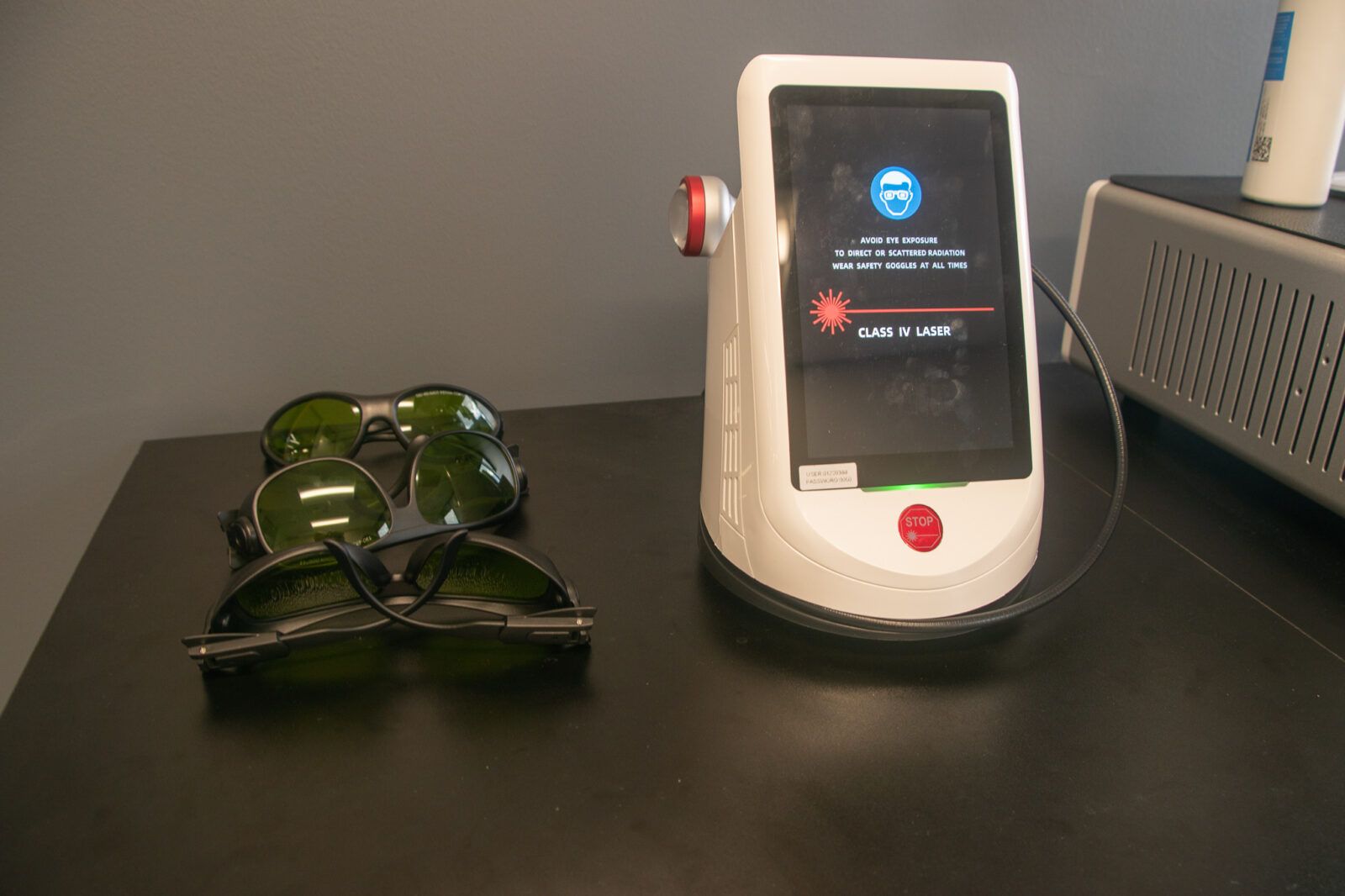
When selecting a Class 4 laser therapy device, it’s crucial to consider various key features that significantly impact treatment effectiveness and usability. One of the primary features is the power output, which typically ranges from 0.5 to 25 watts. Devices that have higher wattage are able to deliver deeper tissue penetration, resulting in increased treatment for pain and healing. https://lightforcemedical.com/ to choose a laser which matches the particular therapeutic goals of your practice, making sure it can adequately meet the conditions you aim to treat.
Wavelength is another critical factor to assess when selecting a Class 4 laser. Different wavelengths penetrate tissues to varying depths and are appropriate for specific types of conditions. For instance, a wavelength around 800 to 900 nanometers is commonly chosen for deeper tissue applications, while lower wavelengths are suitable for superficial injuries. Knowing how wavelength affects treatment outcomes can greatly enhance patient results and satisfaction.
Portability is an important consideration as well, especially for practitioners who may need to transport the device between various treatment rooms or locations. Some Class 4 lasers are designed to be lightweight and easily transportable, while others are more suited for stationary use in a dedicated treatment area. Evaluating your practice's workflow and space will help determine the best type of device will suit your needs and allow for efficient patient care.
###